
Commemorating Juneteenth: Why We Celebrated Then—and Why It Still Matters
Commemorating Juneteenth
NEWS & HEADLINESTRUE HISTORYFEATURED ARTICLES
Maurice Woodson
6/19/20262 min read
Commemorating Juneteenth: Why We Celebrated Then—and Why It Still Matters
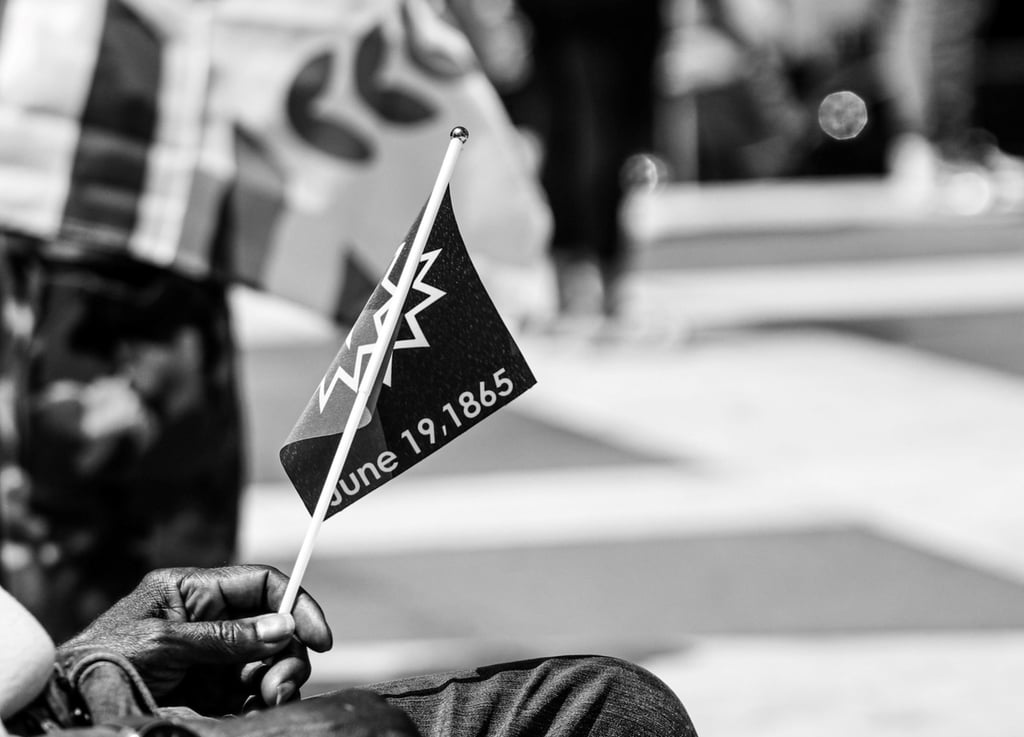
June 19, 1865—a date that, until recently, many Americans overlooked—marks one of the most significant turning points in American history. Known as Juneteenth, it commemorates the day Union troops arrived in Galveston, Texas, and informed the last remaining enslaved African Americans that they were free. Though the Emancipation Proclamation had been signed more than two years earlier, enforcement of the order depended heavily on the presence of Union forces. For many, true freedom wasn’t declared until that June day.
But even then, “freedom” came with a heavy asterisk.
Though Juneteenth signaled the end of institutional slavery, it did not usher in full equality. What followed was the Reconstruction era, a period full of hope that quickly gave way to systemic oppression under Jim Crow laws. Black Americans were denied full personhood, codified by the Constitution’s original Three-Fifths Compromise and reinforced socially and legally for generations. True voting rights wouldn’t come until the Civil Rights Movement of the 1960s, and even now, they face ongoing challenges.
“The 4th of July was never about Black people. Juneteenth is just for us. As Black people, we are told we don’t deserve our own holidays rooted in our own history. Everything is whitewashed. Juneteenth is for us…Juneteenth symbolizes the hope that my children and grandchildren will be free. It’s Black Joy and Black tenacity to survive.” — Tanesha Grant
And then there’s police brutality—an extension of the slave patrols of the antebellum South—still prevalent today. Discrimination, whether overt or insidious, remains part of the Black experience in America. So, does this sound like freedom?
That’s why Juneteenth matters—then and now. Celebrating it isn’t just about honoring a historical moment; it’s about acknowledging the journey, the struggle, and the resilience. It’s how we remember the past and remind others—especially those who may forget or ignore history—of the atrocities that shaped our nation.
Juneteenth is more than a commemoration. It is a call to action, a space for reflection, and a testament to the enduring spirit of a people who continue to fight for the true meaning of freedom.